Electric Cremator for Sale: A Complete Guide to Modern Electric Cremation Furnaces and Why They Benefit Crematories
The electric cremation technology has advanced dramatically over the past decade. What was once considered a niche option is now quickly becoming one of the most forward-thinking, energy-efficient and environmentally responsible cremation solutions available to the death-care industry. As funeral homes, municipal crematories, hospitals and private facilities re-evaluate their long-term operational strategy. Many are discovering that an electric cremator, also known as an electric cremation furnace or electric crematorium oven, offers compelling benefits that traditional gas-fired systems simply cannot match.
Whether a facility is considering its first cremation system or upgrading aging equipment, understanding the advantages, capabilities, and total cost of ownership of an electric cremator is essential. This detailed guide explores what electric cremation furnaces are, how they operate at a high level, the full range of benefits they provide, and why they are becoming the preferred solution for modern crematories.
What Is an Electric Cremator?
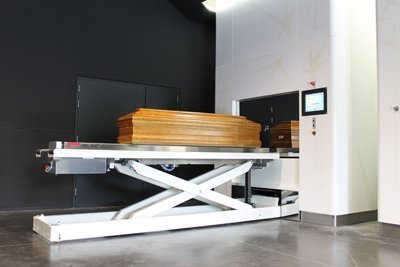
An electric cremator is a cremation furnace powered by electricity rather than natural gas or propane. While gas systems have traditionally dominated the cremation market, electric cremation furnaces have gained popularity because they offer:
- Cleaner operation
- Lower emissions
- Simplified installation
- Greater energy efficiency
- Enhanced temperature control
- Reduced maintenance requirements
- Easier regulatory compliance
Electric cremators rely on electrical heating elements and advanced insulation to achieve the necessary operating conditions for cremation. Instead of using burners and fuel lines, the system is powered by electrical infrastructure—making it appealing for facilities where gas access is limited or where environmental priorities are high.
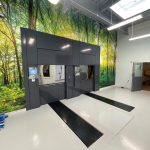
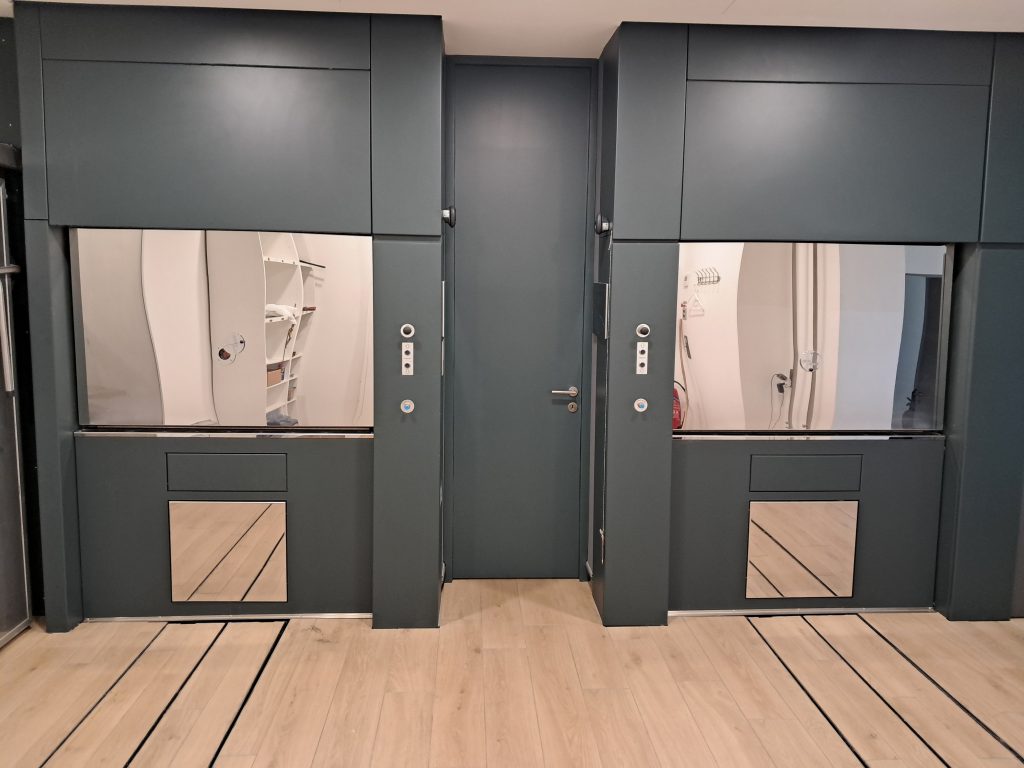
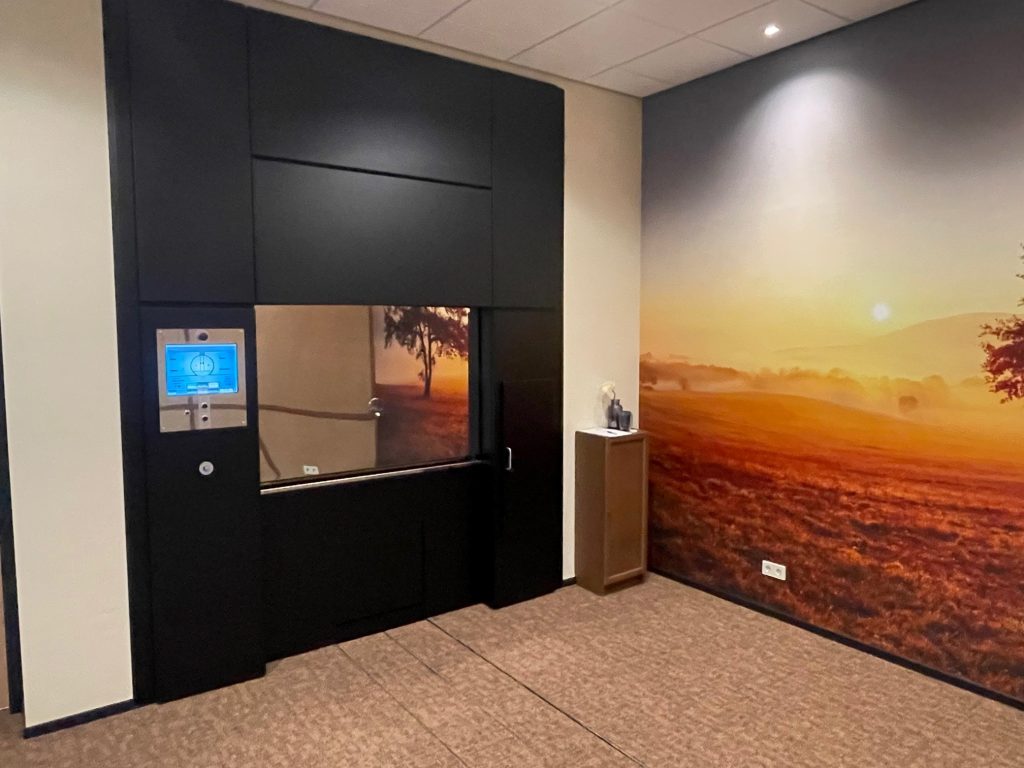
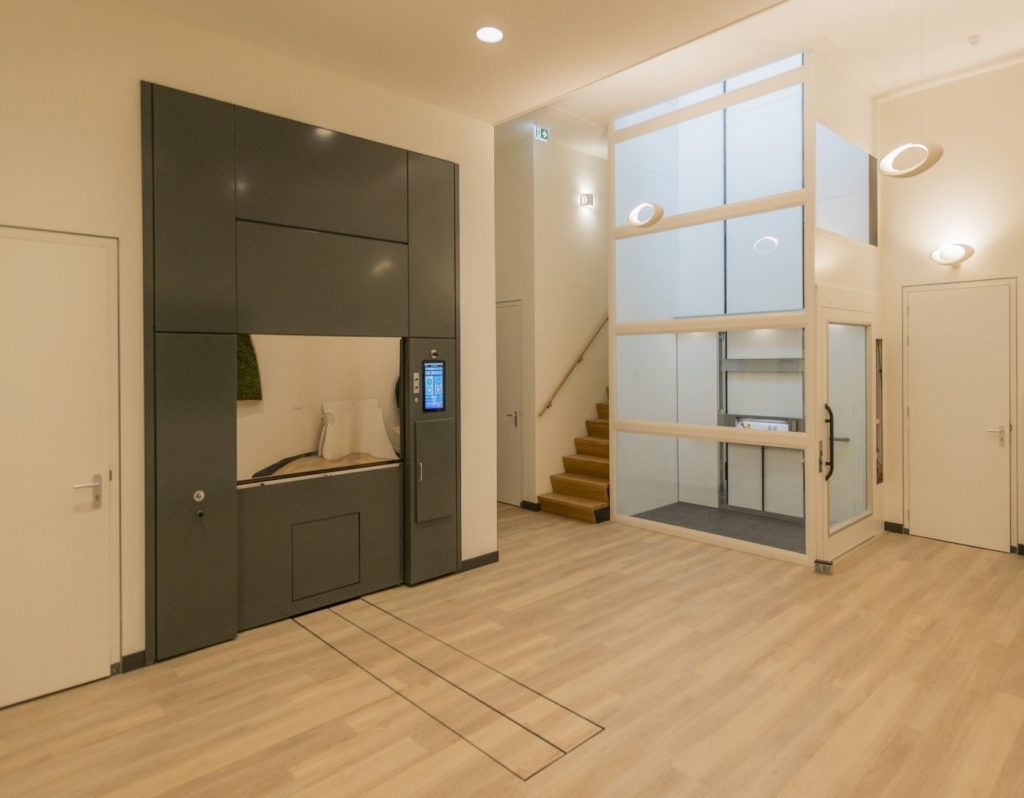
From the outside, an electric cremation furnace appears similar to a gas cremator. It features a primary chamber, control systems, automation tools, operator interface, and remains-handling features. However, the internal mechanisms and energy systems differ significantly in ways that provide notable advantages.
Why Electric Cremators Are Gaining Global Popularity
Cremation rates are rising worldwide. At the same time, environmental regulations, energy costs, and community expectations are shifting. Crematories are increasingly expected to minimize emissions, reduce their carbon footprint, and adopt cleaner, more sustainable technologies. Electric cremation furnaces align perfectly with these priorities.
Electric cremators are especially appealing in:
- Regions with strict emissions regulations
- Urban environments where gas infrastructure is limited
- Municipal facilities focused on sustainability goals
- Funeral homes aiming to differentiate themselves with green technology
- Countries where electricity is more stable or cost-effective than gas
- Facilities wanting to future-proof themselves against fuel price volatility
The growth of renewable energy sources—solar, wind, hydroelectric—means that electricity is becoming a cleaner and more attractive resource. As the power grid evolves, electric cremators become even more environmentally competitive.
Key Benefits of an Electric Cremation Furnace
Electric cremators offer a wide range of benefits that go beyond simple fuel choice. For crematories evaluating long-term investment, these advantages can have significant financial, environmental, and operational impacts.
Below are the primary benefits in detail:
Environmentally Friendly Operation
One of the most significant advantages of electric cremation furnaces is their dramatically reduced environmental impact compared to gas-fired systems.
Electric cremators can help facilities:
- Lower overall emissions
- Reduce dependence on fossil fuels
- Avoid natural gas or propane combustion byproducts
- Operate with cleaner energy sources
- Demonstrate commitment to sustainability
Because electric cremators do not rely on open flame combustion of fossil fuels, they significantly decrease airborne pollutants associated with cremation. This cleaner operation is often a deciding factor for environmentally conscious municipalities, eco-friendly funeral homes, and facilities located in areas with sensitive air-quality regulations.
Simplified Installation and Site Planning
Installing a gas cremator often requires:
- Gas line connections
- Propane tanks and storage considerations
- Ventilation and combustion air systems
- Specialized permitting
- Complex construction planning
Electric cremation furnaces typically have fewer installation requirements. They eliminate the need for fuel infrastructure and can be easier to place in locations where gas service is costly or unavailable.
This simplicity can result in:
- Faster setup
- Lower construction expenses
- Fewer permitting hurdles
- More flexible layout options
For small or mid-sized funeral homes that want to incorporate cremation services on-site but face restrictions, an electric cremator may provide the opportunity to do so without heavy renovation.
Lower and More Predictable Operating Costs
Fuel prices fluctuate. Natural gas and propane can vary seasonally or regionally, making budgeting difficult. Electricity, while not immune to pricing changes, tends to be far more stable and predictable in cost.
Electric cremators can benefit from:
- Stable energy expenses
- Potential for lower operating cost per cycle
- Opportunities to integrate renewable energy (solar panels, battery storage)
- Higher energy efficiency due to thermal retention
Electric heating systems optimize energy throughput with precise control. Heat is distributed evenly and retained effectively, helping achieve efficient cremation cycles without unnecessary waste.
Reduced Maintenance Requirements
Gas cremators require maintenance on:
- Burners
- Valves
- Ignition systems
- Gas lines
- Combustion control components
Electric systems eliminate many of these components entirely.
Maintenance benefits include:
- Fewer mechanical parts subject to wear
- Lower overall servicing needs
- Reduced downtime
- Simplified inspections and compliance
- Longer equipment lifespan
Electric heating elements typically have long service lives and can operate for years before requiring replacement.
Enhanced Temperature Stability and Precision
Electric cremators provide exceptionally consistent temperature control. They are engineered for stable, uniform thermal performance.
This leads to:
- Predictable cremation cycle times
- More consistent results
- Fewer operational adjustments
- Better energy utilization
Operators appreciate electric systems for their intuitive controls and reliable performance. The furnace responds quickly to system commands and maintains optimal conditions without large temperature swings.
Quiet and Community-Friendly Operation
Because electric cremators do not require burners or gas flow systems, they tend to operate more quietly and smoothly.
This makes them ideal for:
- Urban areas
- Indoor adjacent office spaces
- Facilities with community noise concerns
- Funeral homes that want discreet operation
The quiet nature of the equipment contributes to a respectful and professional environment—something families and communities appreciate.
Alignment With “Green Cremation” Trends
Families increasingly ask about environmentally responsible options. Many funeral homes are adopting eco-friendly positioning to meet shifting consumer expectations.
Electric cremators support:
- Green branding
- Reduced carbon footprint initiatives
- Eco-conscious customer choices
- Long-term sustainability commitments
Adding an electric cremator can help a funeral home differentiate itself in a competitive market by appealing to families seeking environmentally responsible end-of-life care.
Why Crematories Should Choose an Electric Cremation Furnace
While both electric and gas cremators serve the same purpose, electric cremators offer strategic advantages that align with the evolving needs of modern crematories.
To Reduce Environmental Impact and Improve Compliance
Many regions are tightening emissions rules and imposing stricter environmental standards. Electric cremators help crematories stay ahead of regulatory changes.
Choosing electric means:
- No on-site fossil fuel combustion
- Cleaner operational footprint
- Easier long-term compliance
Electric cremators are particularly appealing in areas where environmental reviews can delay or increase the cost of installing a gas unit.
To Lower Facility Operating Costs Over Time
Electric cremation furnaces can reduce both direct and indirect costs. With fewer moving parts, electric systems require less maintenance and create fewer service disruptions.
Crematories can benefit from:
- Predictable energy costs
- Longer equipment lifespan
- Reduced mechanical wear
- Lower service bills
The long-term cost advantages can be significant, especially for busy crematories.
To Increase Operational Flexibility
Electric cremators offer greater installation versatility and can operate in locations where gas systems are impractical. This can help funeral homes expand service offerings without modifying their building extensively.
To Appeal to Environmentally Conscious Families
As eco-friendly funerals grow in popularity, electric cremation furnaces give crematories a valuable selling point.
Families appreciate:
- Cleaner technology
- Reduced emissions
- Ethical, sustainable operation
This aligns with the values of younger generations, who increasingly influence funeral decisions.
To Future-Proof the Crematory Against Energy Trends
The global energy landscape is shifting quickly, with electricity becoming more renewable and accessible. Gas prices and availability may vary in the coming decades.
Electric cremators are a forward-thinking choice for crematories focused on:
- Sustainability
- Long-term energy planning
- Reduced reliance on fossil fuels
Facilities globally are moving toward electric systems to align with long-term environmental goals.
To Simplify Operator Training and Daily Workflow
Electric cremators offer intuitive controls, automated cycles, and consistent performance. They are often easier for operators to learn and manage.
Benefits include:
- Faster onboarding
- Fewer manual adjustments
- Reduced complexity in daily operations
- Higher productivity
For crematories with multiple operators, this simplicity can significantly improve workflow.
Electric Cremators vs. Gas Cremators: A Strategic Comparison
While both types of cremation furnaces serve the same purpose, they offer different advantages. Understanding how they compare can help crematories make informed decisions.
Electric Cremators
- Lower emissions
- Fewer installation requirements
- More predictable energy costs
- Quieter operation
- Reduced maintenance
- Improved environmental branding
Gas Cremators
- Traditional, widely used
- Strong performance in high-volume facilities
- Readily available technology
Many modern crematories choose electric systems when environmental responsibility, operational simplicity, or installation flexibility are priorities.
Ideal Facilities for Electric Cremation Furnaces
Electric cremators are suitable for a wide range of facilities, including:
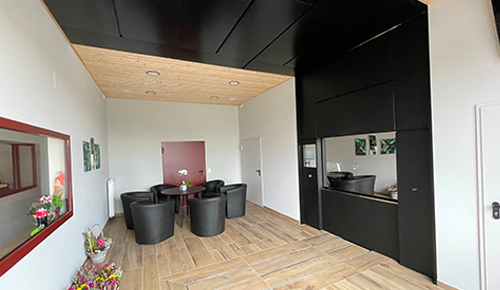
• Funeral homes with limited space
Electric units require fewer fuel-related infrastructure components.
• Urban crematories
They operate quietly and meet strict community emission expectations.
• Green or eco-friendly funeral providers
Electric cremation aligns with sustainable mission statements.
• Municipal or government-operated crematoriums
Electric cremators support public environmental commitments.
• Small to mid-sized crematories
Lower operating costs and simplified installation are major benefits.
• New facilities aiming for future-ready infrastructure
Electric furnaces adapt well to renewable energy initiatives.
Long-Term Business Value of Electric Cremation Furnaces
Choosing an electric cremator is not just a technology decision—it is a strategic business choice that impacts a crematory’s future.
Key long-term advantages include:
Strong Return on Investment
Reduced fuel dependence, predictable electricity rates, and lower maintenance contribute to excellent long-term ROI.
Enhanced Community Trust
Crematories using clean technology build credibility with families, regulators, and local governments.
Future-Proofing
Electric systems position facilities for long-term operation as energy policies shift toward renewables.
Operational Stability
Electric cremators provide consistent, reliable performance with fewer unexpected interruptions.
Why an Electric Cremator Is a Smart Investment for Today’s Crematories
Electric cremation furnaces represent a powerful evolution in crematory technology. They offer a combination of environmentally friendly operation, cost savings, quiet performance, and simplified installation that traditional gas-fired systems cannot match. As the cremation industry continues to evolve—shaped by environmental responsibility, rising cremation rates, and changing customer expectations—electric cremators stand out as a future-ready solution that meets the needs of modern funeral service providers.
A crematory that invests in an electric cremation furnace positions itself for:
- Lower operating costs
- Stronger environmental performance
- Higher community trust
- Simplified daily operations
- Long-term regulatory compliance
- A more sustainable and adaptable future
For funeral homes and crematories seeking reliability, modern technology, and a competitive edge, an electric cremator for sale today may be the most forward-thinking investment a crematorium can make.