
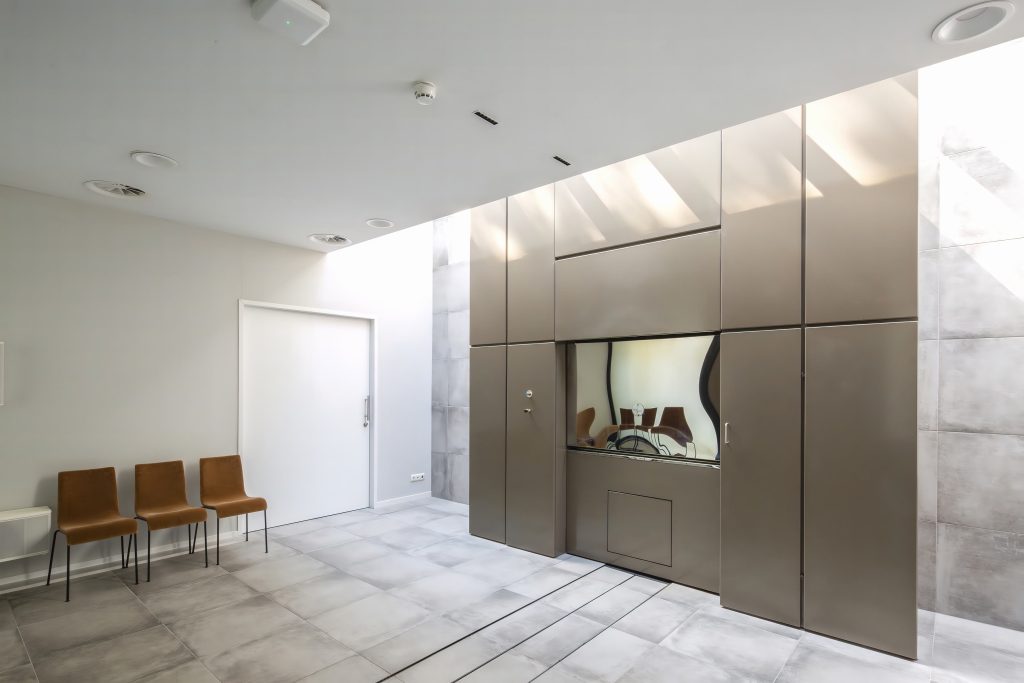
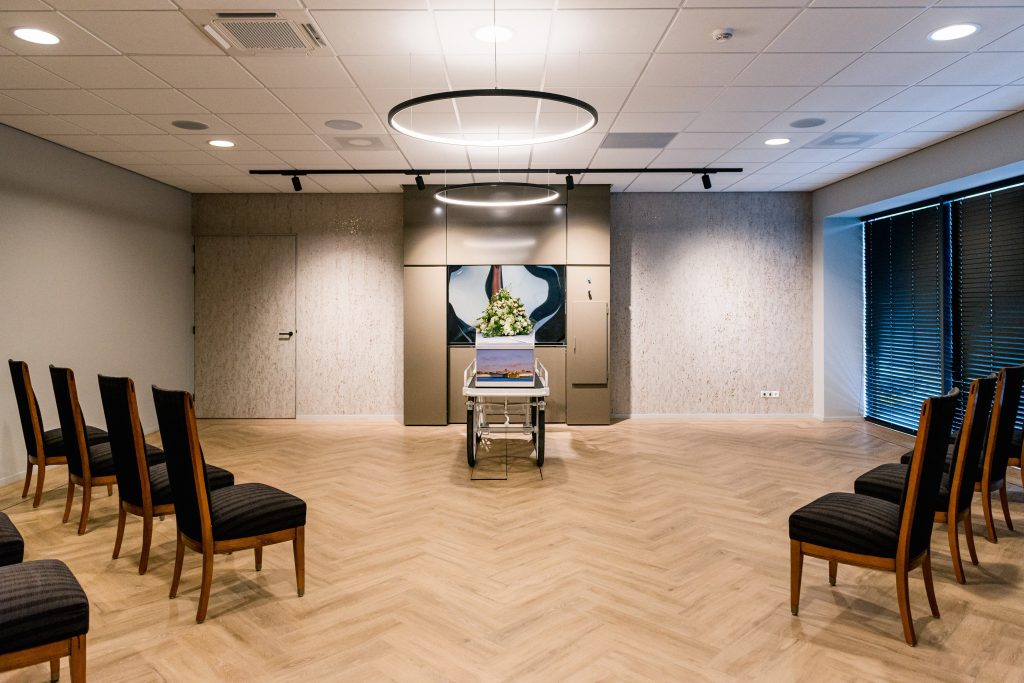
Cremator Systems
Cremator Systems World Wide Best Cremation Equipment
Advanced Cremation Systems
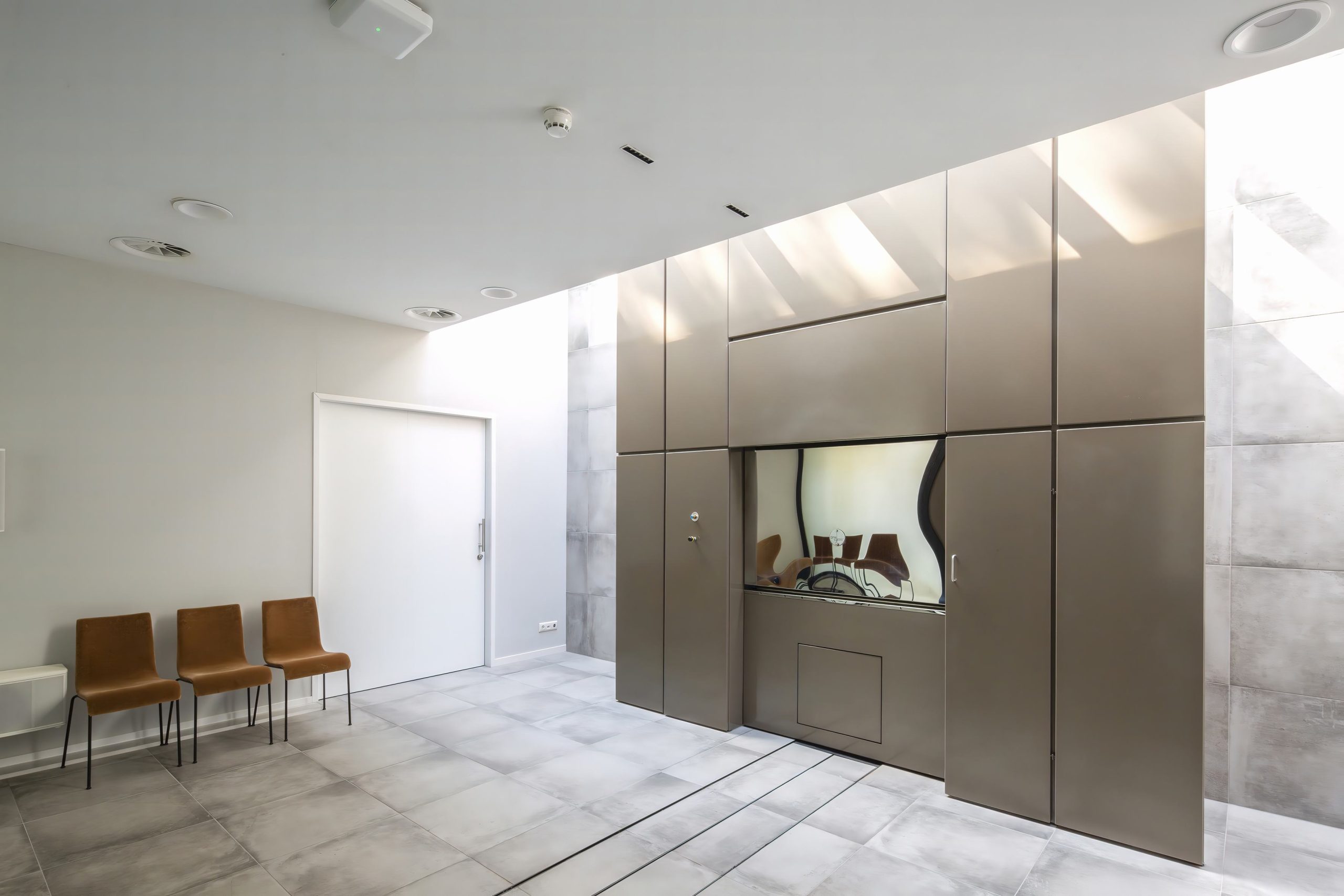
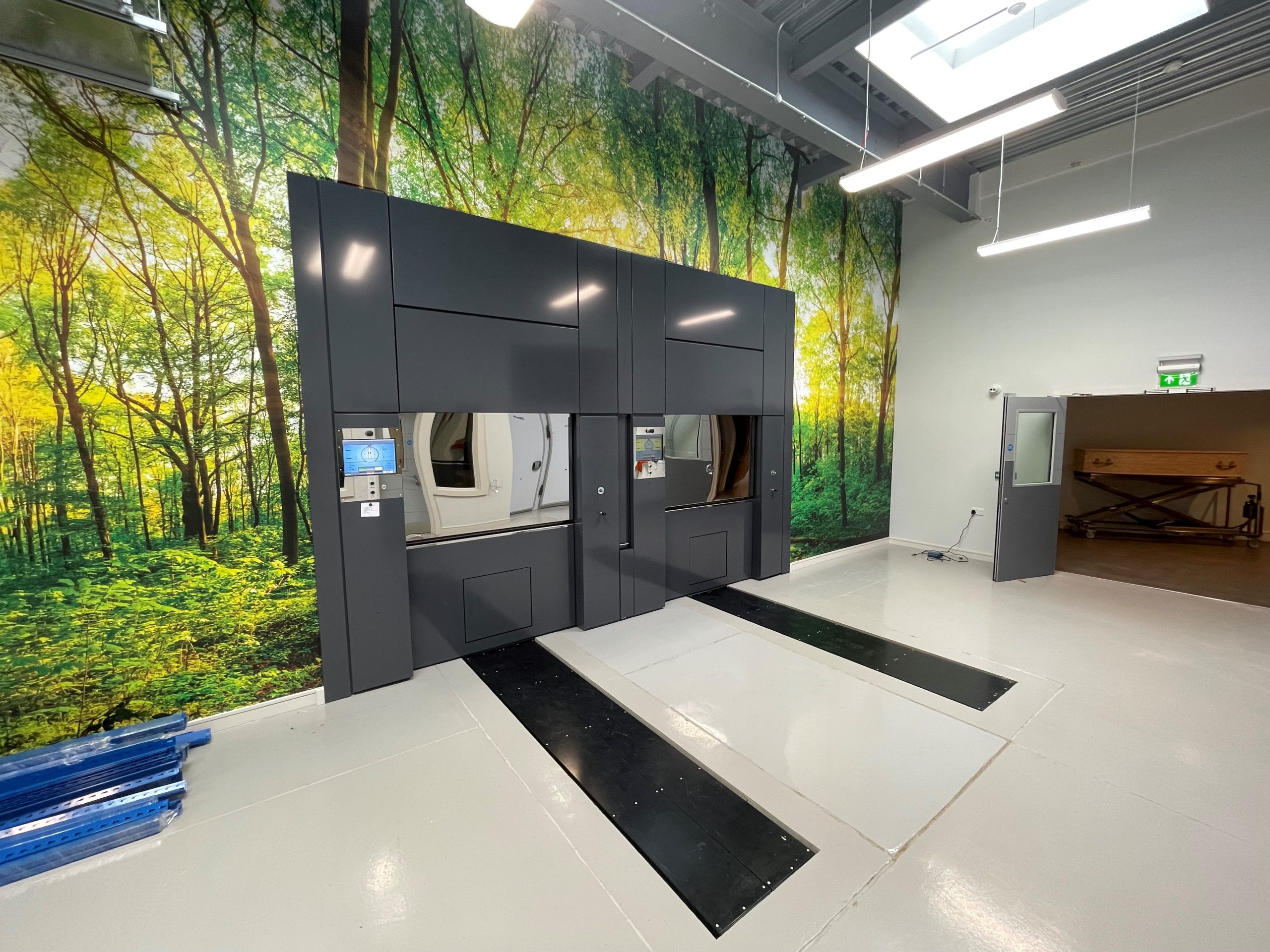
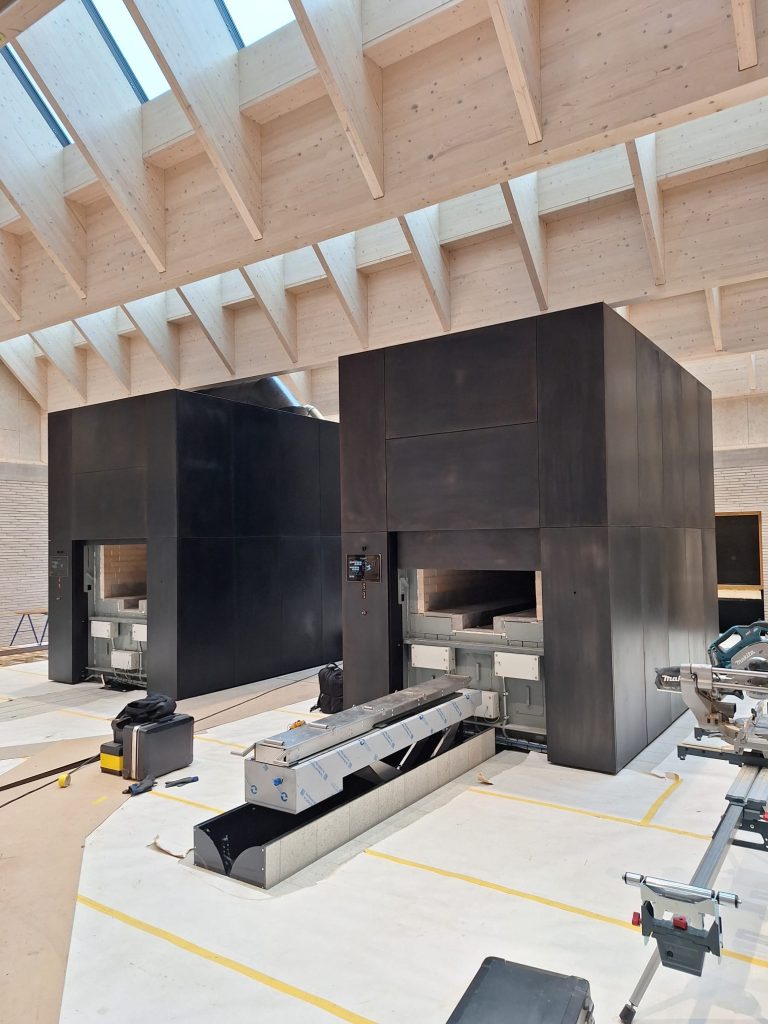
The heart of any crematory facility is the cremation furnace also known as the retort, cremator, incinerator or cremation chamber. A modern cremation furnace is built from durable, high-temperature refractory materials capable of withstanding thousands of heating cycles. It contains one or more combustion chambers, including a primary chamber where the remains are placed and a secondary retort chamber designed to reburn gases and particulates. This second stage is essential for reducing emissions, minimizing odor and ensuring clean exhaust. Most cremation units also include digitally controlled burners, advanced airflow design and automated safety systems that maintain consistent and controlled temperatures throughout the cremation process. Hightech cremation equipment typically includes features such as touchscreen control panels, programmable cycles, remote diagnostics and automated operation modes. These controls help cremator operators to manage each stage of the cremation process with precision. Ensuring optimal combustion conditions while reducing fuel use and overall operating costs. Many cremation systems now incorporate energy saving technologies like rapid preheating, insulated chambers and heat-recovery designs that reuse thermal energy to increase efficiency.
Crematory Services
Innovative Cremation Systems




Cremation Equipment Manufacturer
Cremation Equipment Supplier
As leading cremation equipment manufacturer and supplier our company is dedicated and providing high performance cremation solutions that meet the evolving needs of modern funeral homes, crematories, pet crematories, veterinaries and municipal facilities. With a commitment to innovation, reliability and environmental responsibility we design and produce advanced crematory systems built to deliver consistent results with exceptional fuel efficiency. Our engineering team utilizes state-of-the-art cremation technology to develop equipment that complies with global emissions standards while maintaining smooth and user-friendly operation.
From energy efficient cremators and automated controls to filtration and exhaust treatment systems, every product is crafted with precision and supported by comprehensive training, installation and maintenance services. A trusted partner within the death care industry. We prioritize safety, durability and longterm value. Whether clients are upgrading existing cremation equipment or planning a new facility. We provide expert consultation and customized cremation solutions to ensure seamless integration and dependable performance. With decades of experience and a reputation for excellence. We continue to lead the way in cremation technology. Empowering cremator operators with the cremation tools they need to deliver dignified, respectful and environmentally conscious service.
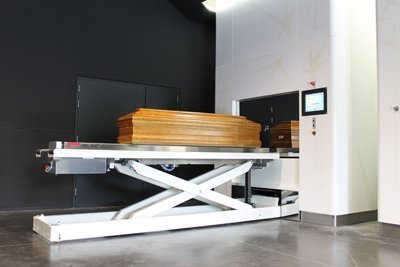
Cremation Equipment
Customer References Cremation Equipment Testimonials
We Are Trusted by Crematories

In Swiss, we recently installed a new electric cremator with an integrated filtration system in our facility and the results have exceeded our expectations. The cremation unit operates quietly, efficiently and with exceptional environmental performance and locally an important factor for us. The installation was smooth, staff training was thorough and the system has delivered reliable, clean operation from day one.
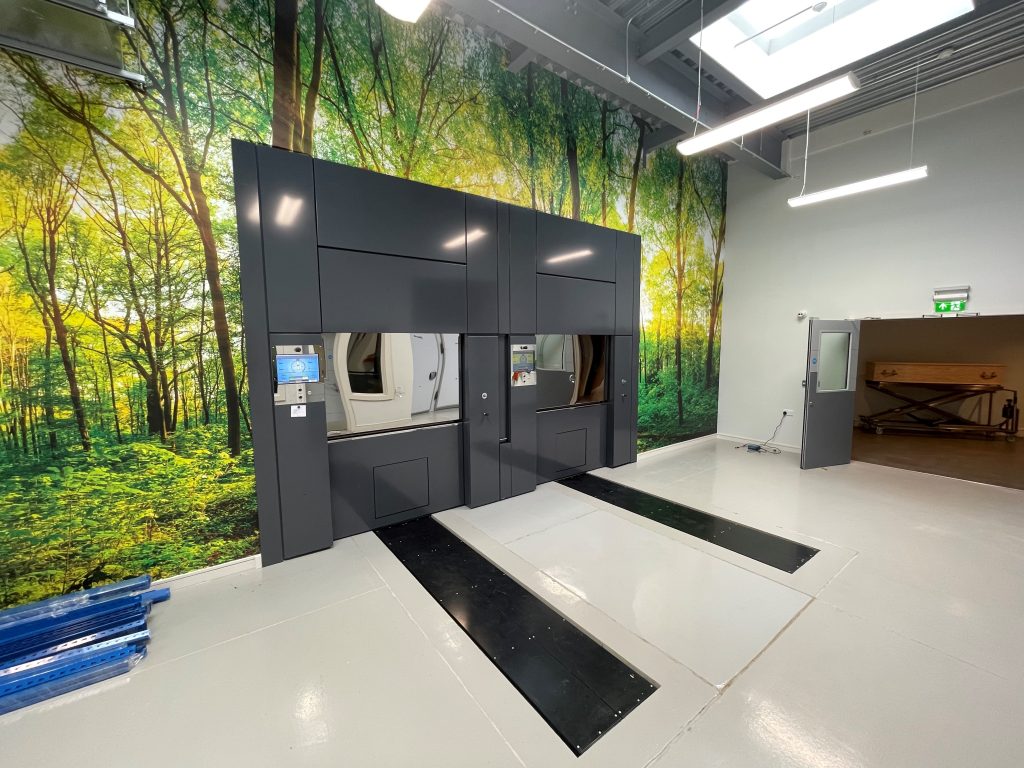
Cremation Systems
★★★★★
In Germany we upgraded our existing gas cremator to a hybrid system equipped with advanced filtration, AI-supported process control, and continuous emissions monitoring (CEMS). The upgrade has significantly improved energy efficiency and operational precision. The intelligent controls make daily operation easier, and the real-time emissions data ensures full compliance with local standards. We are very satisfied with the performance and support provided.

Cremation Systems
★★★★★
New Cremation Equipment
Latest Cremation News
FAQ Cremation Equipment
FAQ: We’ve Got Answers
A safe, high-level FAQ about cremation equipment
What is cremation equipment?
Cremation equipment refers to the specialized machinery used by crematories to perform the cremation process in a safe, efficient, and compliant way. This includes a cremation chamber (retort), automated control systems, emissions-management technology and tools for handling remains. Modern cremation equipment is engineered to meet strict environmental and operational standards while providing reliable, respectful performance.
What types of cremation equipment exist?
There are several types of cremation equipment depending on the needs of a funeral home or crematory:
– Human cremation chambers for standard operations
– Pet cremation units designed for veterinary and pet memorial businesses
– Alkaline hydrolysis systems (water cremation) as an eco-friendly alternative
– Emissions control systems such as scrubbers, filtration units, and airflow control
– Ash processing and remains-handling tools
Each category is designed to support high-quality, compliant crematory service.
How does cremation equipment work?
Cremation equipment works by using controlled, high-temperature processing to complete the cremation of human or animal remains. Computerized systems monitor temperature, airflow, timing, safety interlocks and environmental compliance. Certified operators follow regulated procedures to ensure a respectful and secure cremation from start to finish.
How long does the cremation process take?
A typical cremation takes 1.5 to 3 hours, depending on equipment design, chamber size, regulatory settings, and load conditions. Modern high-efficiency cremation machines can optimize cycle times while maintaining consistent and environmentally compliant performance.
What fuel sources do cremation systems use?
Cremation systems generally operate on:
Electricity (select models)
Natural gas
Propane
Biodiesel
Fuel choice depends on local utility availability, energy efficiency goals, and operational preference. Many facilities choose natural gas for consistent performance and cost-effectiveness.
Ready to Improve Efficiency, Reliability & Profitability?
Let’s equip your facility with the cremation technology it needs to grow.
Request a quote today and discover why funeral homes and
crematories worldwide trust our cremation furnaces for
performance, safety and long-term value.